
Vision loss: What Patients and Families Should Know Now
A free live roundtable on vision loss, aging biology, emerging research and practical technology — featuring Dr. Ana María Cuervo.
One of the world’s leading researchers on autophagy, cellular cleanup and aging-related disease.
Educational event only. No medical advice, no miracle claims, no hype — just a serious conversation about vision, aging and where the science may be going.
Why This Conversation Matters
Vision loss is usually discussed as an eye disease. But it also belongs in a broader conversation about aging, cellular stress, retinal support cells, vision technology and patient empowerment.
What is available today
Understand the current treatment landscape and what patients and families should ask clinicians.
What research is exploring
Explore how aging biology, autophagy and cellular maintenance may influence retinal health.
What people can use now
Learn about assistive technology, practical tools and ways to live better with vision challenges.
Meet the Speakers
Four perspectives on vision loss, macular degeneration, aging science, drug development, accessibility and healthy aging.
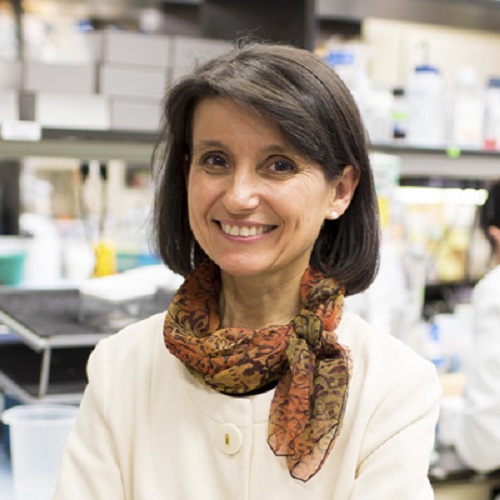
Dr. Ana María Cuervo
Distinguished Professor and co-director of the Institute for Aging Research at the Albert Einstein College of Medicine, where she discovered Chaperone-Mediated Autophagy (CMA) and is world-renowned for her research in autophagy. She is now investigating its critical role in age-related macular degeneration.
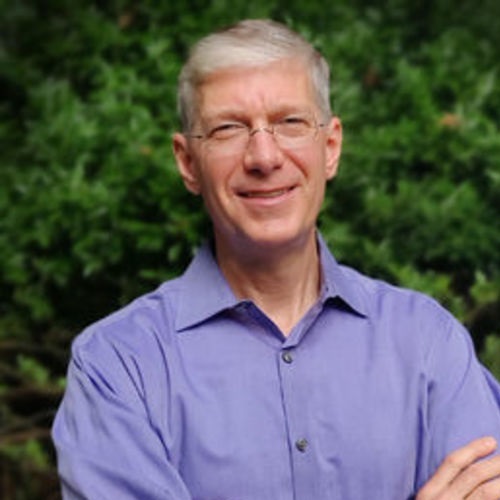
Dr. Jim Bryson
Experienced pharmaceutical executive with extensive expertise in protein expression and purification, biophysical characterization, biotherapeutics discovery, protein engineering and biotherapeutics developability assessment.
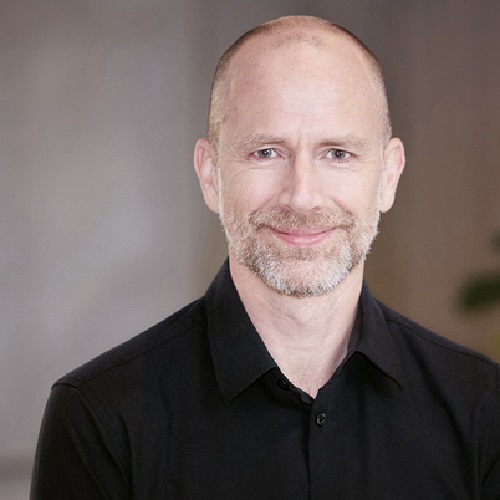
Jesper Knutell
Chief Revenue Officer at Be My Eyes, a company dedicated to making the world more accessible for people who are blind or have low vision.
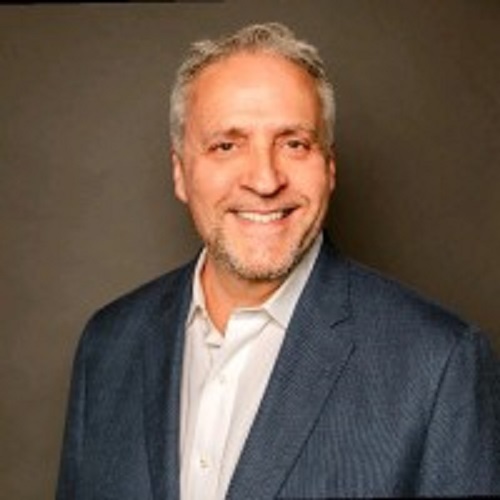
Adam Satir
Founder and CEO of Dynacon Global, a media and events company focused on healthy aging through technology.
What We’ll Cover
Opening: why vision loss is also an aging issue
The current macular degeneration landscape
Autophagy, cellular maintenance and the retina
Assistive technology and practical support
Live Q&A with audience questions
Who Should Attend?
Patients and families
Anyone affected by vision loss, macular degeneration, or supporting a loved one.
Clinicians and researchers
Professionals interested in retina, neurodegeneration, aging biology and patient education.
Healthy aging communities
People interested in longevity, prevention, assistive technology and the future of aging.
Questions We May Ask
Is macular degeneration only an eye problem, or also an aging biology problem?
The discussion will explore vision loss through both clinical and aging-biology lenses, without overstating what is currently proven.
What should patients and families understand about current treatments?
The goal is to separate established treatment from emerging research and give people better questions to ask their clinicians.
Can technology help people live better with vision loss?
We will discuss assistive apps, monitoring tools, accessibility and practical support for daily life.
Is this event medical advice?
No. This is an educational discussion. Patients should always speak with their own qualified healthcare professional before making medical decisions.
Will there be a replay?
Registered attendees will receive event updates. Live attendance is recommended for the Q&A.
Reserve Your Free Spot
Join a serious, accessible conversation on vision loss, aging science, vision technology and what may come next.
Register Free