
Brain Health, Cognition & AI: What Patients and Families Should Know Now
A free live roundtable on memory, neurodegeneration, AI cognitive support and the future of diagnostics — featuring Pilar Anania and moderated by Adam Satir.
Bioengineer and healthtech product manager specializing in AI for medical imaging and clinical data infrastructure.
Educational event only. No medical advice, no diagnostic claims, no hype — just a serious conversation about brain health, cognition, neurodegeneration and how AI may support patients, families and clinicians.
Why This Conversation Matters
Brain health is no longer only a medical topic. It is becoming a practical conversation about memory, aging, neurodegeneration, earlier detection, care pathways and the responsible use of AI tools.
Memory and cognition
Understand why cognitive changes matter, what families often notice first, and how people can ask better questions about brain health.
Neurodegeneration and diagnostics
Explore how clinical data, imaging and digital infrastructure may support earlier recognition and better care coordination.
AI cognitive support
Discuss where AI may help with cognitive support, monitoring and clinical workflows — and where caution is still essential.
Meet the Speakers
Expert perspectives on AI, clinical data, medical imaging, cognition, diagnostics and healthy aging — with additional speakers to be announced.
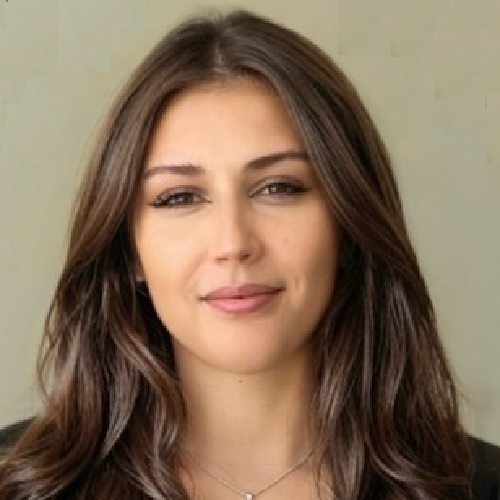
Pilar Anania
Pilar Anania is a bioengineer and healthtech product manager specializing in AI for medical imaging and clinical data infrastructure. She has led product development of regulated AI imaging models at Entelai and built FHIR/OMOP/DICOM-based data platforms at Cromodata, bridging hospitals across LATAM with pharma, research, and AI buyers. She moves fluently across clinical, ML, and engineering teams, with published work in European Radiology and presentations at ICCV and JPR.
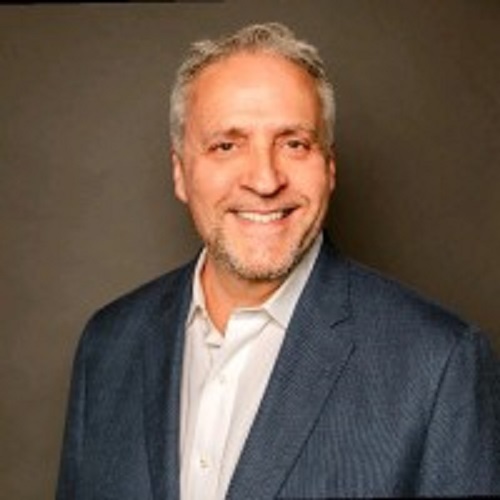
Adam Satir
Founder and CEO of DynaSpan Global, a media and events company focused on healthy aging through technology.
Speaker to be announced
Additional expert speaker to be confirmed. This session will bring together clinical, technology and research perspectives on brain health, cognitive change and aging.
Speaker to be announced
Additional expert speaker to be confirmed. The discussion will include practical and responsible uses of AI for cognitive support, screening, diagnostics and care workflows.
What We’ll Cover
Opening: why brain health, cognition and AI belong in the same conversation
Memory, cognitive change and what families often notice first
Medical imaging, clinical data and the future of AI-assisted diagnostics
AI cognitive support: practical possibilities, limitations and risks
Live Q&A with audience questions
Who Should Attend?
Patients and families
Anyone concerned about memory, cognitive change, dementia risk, or supporting a loved one.
Clinicians and researchers
Professionals interested in neurodegeneration, diagnostics, medical imaging, data infrastructure and patient education.
Healthy aging communities
People interested in longevity, prevention, brain health, assistive technology and the responsible future of AI in care.
Questions We May Ask
How should families think about memory changes and brain health?
The discussion will explore cognitive health in practical terms, while avoiding alarmism and avoiding medical advice.
Can AI help detect cognitive or neurological problems earlier?
We will discuss how AI, medical imaging and clinical data infrastructure may support diagnostics and research, while recognizing that clinical validation and regulation matter.
What is AI cognitive support, and what can it realistically do?
The conversation will cover practical support possibilities, including reminders, navigation, communication and care coordination, as well as limitations and privacy concerns.
What should patients and families ask clinicians about new AI tools?
The goal is to help people separate established clinical practice from emerging technology and ask clearer questions about accuracy, safety, data use and oversight.
Is this event medical advice?
No. This is an educational discussion. Patients should always speak with their own qualified healthcare professional before making medical decisions.
Reserve Your Free Spot
Join a serious, accessible conversation on brain health, cognition, neurodegeneration, AI cognitive support and the future of diagnostics.
Register Free